The Grand Scale of Chobe National Park
Chobe National Park, one of Botswana’s most celebrated wildlife destinations, is known for its vast landscapes and remarkable diversity of habitats.
Covering approximately 11,700 square kilometres, the park stretches far from north to south. Driving between its northern and southern reaches can take around 10 hours, although this is not a journey we would necessarily recommend, as some of the sandy off-road tracks can be quite challenging.
When people think of Chobe National Park, the iconic Chobe Riverfront often comes to mind. This wildlife-rich area, commonly referred to as the “Chobe Waterfront,” is easily accessible from the nearby town of Kasane.
The park encompasses several distinct areas, including the Chobe Riverfront in the north, the remote Linyanti region in the west, the wildlife-rich Savuti area in the southwest, and the drier inland landscapes that lie between them. Each offers its own distinctive scenery and wildlife experiences.
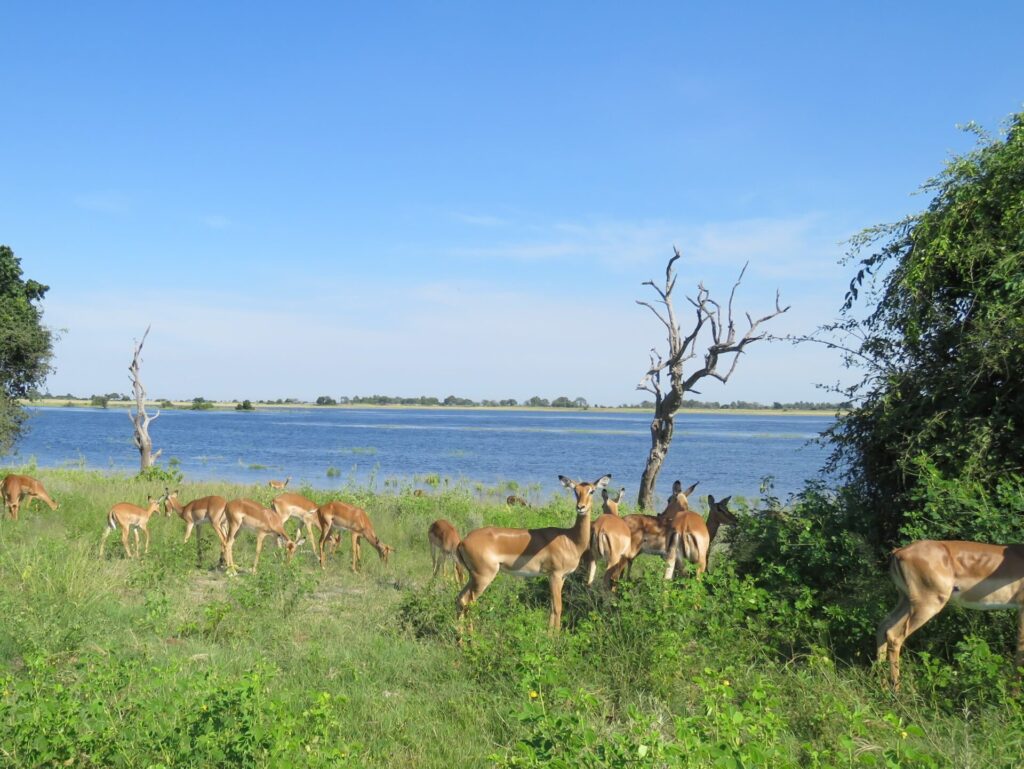
Why is the Waterfront such a hotspot for safaris?
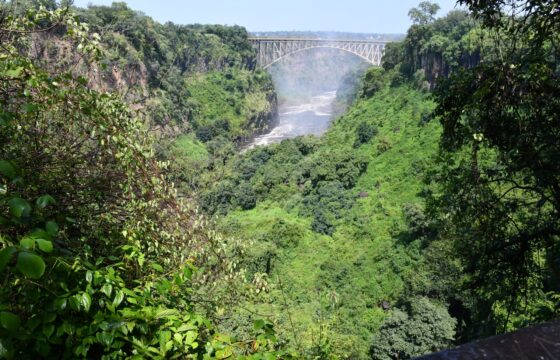
Well, for starters, it’s conveniently located near Kasane, a small town with fewer than ten thousand residents. Despite its size, Kasane serves as a busy gateway for tourists, thanks to its proximity to Zimbabwe, Zambia, and Namibia, as well as Kasane International Airport. It’s also within easy reach of the world-famous Victoria Falls, which lies on the border between Zimbabwe and Zambia.
At the Waterfront, safari adventures go beyond traditional game drives. You can explore the wilderness in an open safari vehicle or experience wildlife from a different perspective on a Chobe River boat cruise.
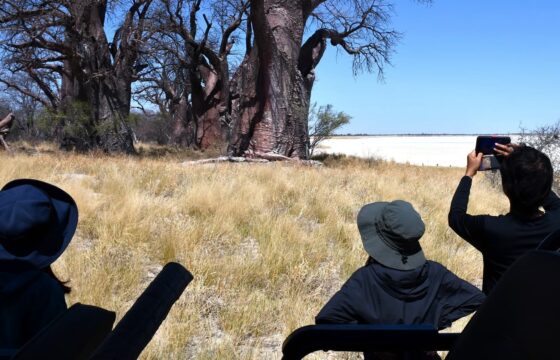
On game drives, the open vehicles bring you close to nature, letting you feel the breeze, hear the sounds of the bush, and observe wild animals in their natural habitat.
Boat cruises, meanwhile, offer excellent opportunities to spot hippos and crocodiles, along with elephants, buffalo, antelope, and a wide variety of birds along the riverbanks.
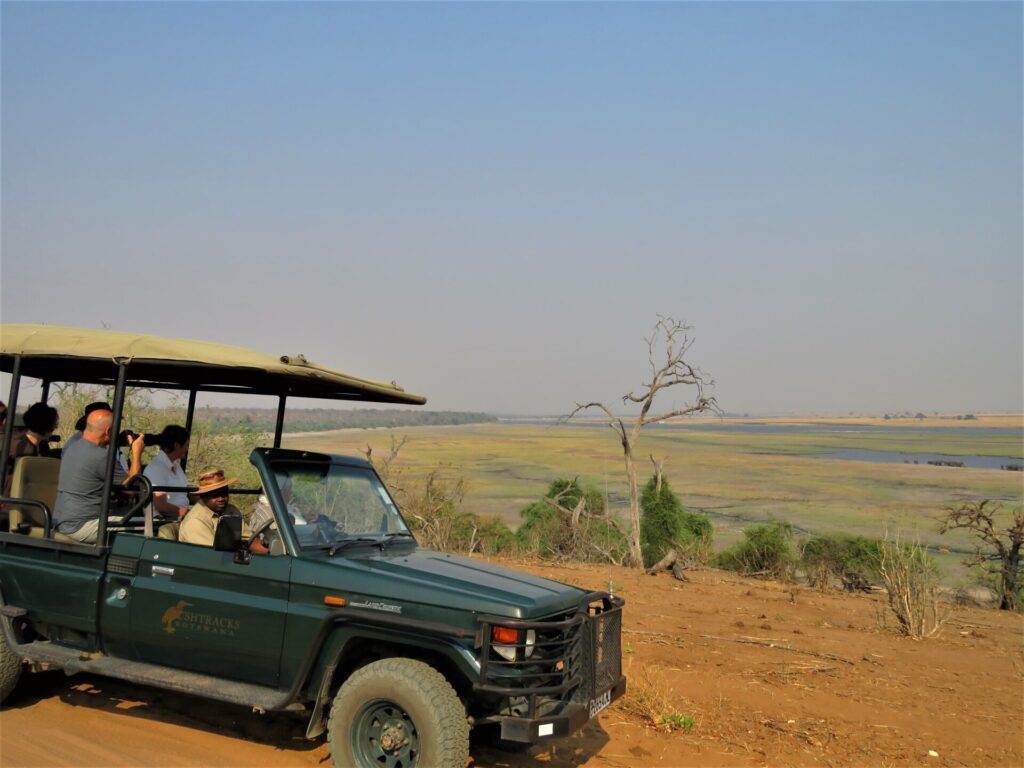
Being close to wild animals can be exciting, but safety is essential. Licensed safari guides accompany game drives and share their knowledge of animal behaviour while helping keep guests safe.
Game drives typically last around three hours in the morning or afternoon, when wildlife is often active. For those who want to spend more time exploring, a full-day safari may be another option.
Whether you choose to explore by land or by water, the Chobe area offers memorable opportunities to experience African wildlife in its natural surroundings.